



Eye doctor in Panama for children and adults
A complete eye examination in Panama City: vision testing, dilated retinal examination and early detection of the diseases that threaten sight.
An eye doctor in Panama for the whole family
I am Dr Miguel Ángel Olivardía Moreno, a physician specialising in ophthalmology with a subspecialty in the orbit, eyelids and tear ducts. I provide general eye care for children and adults in Panama City, alongside the surgery that is the core of my practice.
Looking for an eye doctor in Panama usually starts with something specific: eyes that tire while reading, a red eye that never quite settles, a check-up your family doctor recommended, or glasses that stopped working. All of that is dealt with in one consultation.
What an ophthalmologist treats
An ophthalmologist is the doctor who looks after the whole eye: the surface that covers it, the internal structures that focus light, the retina that turns light into an image, and the nerve that carries that image to the brain. It is a medical degree followed by a specialty, which is what allows an ophthalmologist to diagnose disease, prescribe medication and operate.
They also treat what surrounds the eye — eyelids, orbit and tear ducts — which is the field of oculoplastic surgery.
What a complete eye examination includes
A full consultation is not just reading a letter chart. It normally involves:
- Visual acuity and refraction. How much each eye sees is measured, and whether it needs correction. This is where your glasses prescription comes from when one is needed.
- Anterior segment examination with a slit lamp: eyelids, conjunctiva, cornea, lens.
- Intraocular pressure measurement, the figure around which glaucoma diagnosis revolves.
- Dilated fundus examination. With the pupil dilated, the retina and the optic nerve are examined. It is the part of the consultation that yields the most information and the first one skipped when there is no time.
If your pupils are going to be dilated, consider bringing someone with you: vision stays blurred for a few hours and you should not drive.
Prevention and early diagnosis
Most of the diseases that take sight away do not hurt and cause no symptoms until the damage is done. Glaucoma progresses for years without the person noticing anything. Diabetic retinopathy starts damaging the retina before vision fails. Eyelid lesions look like trivial problems for months.
That is why a periodic check-up is not a formality: it is the only moment at which those diseases can be found while they can still be stopped.
Care for children and adults
In a child, the examination looks for different things than in an adult. An eye that turns, constant watering since birth, or a difference in vision between the two eyes all have a treatment window: past a certain age, the outcome is no longer the same. The paediatric and adult consultation covers both situations.
Common reasons to see an eye doctor
- Blurred distance or near vision, or vision that changes through the day
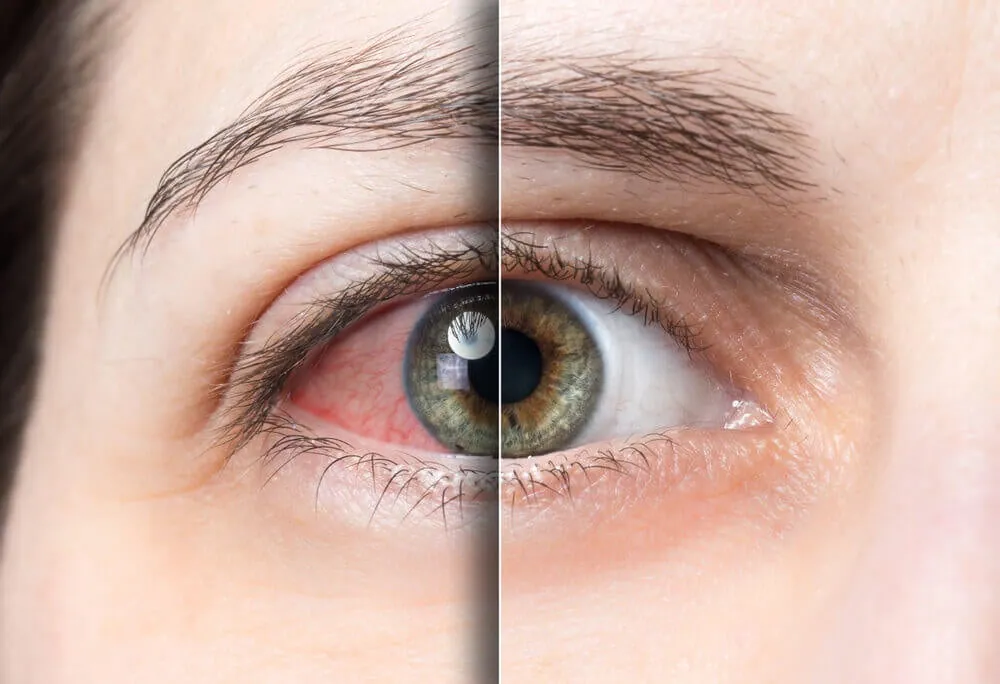
- A red eye, burning or a gritty feeling that will not settle
- Constant watering
- Headache when reading or using screens
- A drooping or swollen eyelid, or a lump on it
- Monitoring for diabetes, high blood pressure or a family history of glaucoma
- A check-up before renewing a driving licence or starting school
Warning signs that cannot wait
Some symptoms are not a reason to book an appointment but to go straight to an eye casualty department:
- Sudden loss of vision, total or partial, in one or both eyes
- Flashes of light with a shadow or curtain moving across the visual field
- Severe eye pain with a red eye, nausea or haloes around lights
- Ocular trauma or a chemical splash
- Sudden double vision
An ophthalmologist and an optometrist are not the same
This is the most frequent confusion and it is worth being clear about. An optometrist measures vision and fits glasses and contact lenses. An ophthalmologist is a doctor: they diagnose and treat eye disease, prescribe medication and operate.
Both are necessary and work on the same organ from different sides. But a red eye that will not improve, a raised intraocular pressure or an eyelid lesion belong to the ophthalmologist.
Conditions I treat
- Glaucoma and cataracts
- Ocular surface disease: dry eye, blepharitis, pterygium
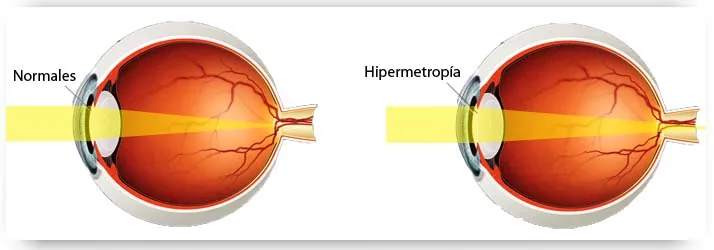
- Myopia and hyperopia
- Retinal detachment
- Ocular oncology: tumours of the eyelid, conjunctiva and orbit
- Oculoplastic surgery: eyelids, orbit and tear ducts
Training and experience
Doctor of Medicine from the Faculty of Medicine of the University of Panama. Specialist in Ophthalmology from the Complejo Hospitalario Metropolitano «Dr. Arnulfo Arias Madrid» of the Caja de Seguro Social, where I was chief resident. Subspecialist in Orbit, Eyelids and Lacrimal System, and in Ocular Oncology, trained at the Asociación para Evitar la Ceguera in Mexico.
Member of the Sociedad Panameña de Oftalmología, the Sociedad Mexicana de Oculoplástica, the Pan-American Association of Ophthalmology, the Pan-American Ocular Oncology Society and the International Society of Ocular Oncology.
You can see the full career history with dates and institutions.
Frequently asked questions
How often should I see an eye doctor?
For a healthy adult with no symptoms, a check-up every one or two years is reasonable. The frequency goes up if you have diabetes, high blood pressure, raised intraocular pressure, a family history of glaucoma, or if you already wear glasses whose prescription keeps changing. Children should have a first assessment before starting school, and sooner if an eye turns or there is persistent watering.
Do I need a referral to book an appointment?
No referral is needed for a private consultation: you can book directly online or by phone. If your insurer requires prior authorisation, it is best to arrange it before the appointment so you do not have to come back.
Does the consultation include a glasses prescription?
Yes. Visual acuity measurement and refraction are part of the consultation, and that is where the prescription comes from when correction is needed. You then buy the glasses at whichever optician you prefer.
Will my pupils be dilated?
It depends on why you are coming. Dilation is what allows the retina and the optic nerve to be examined properly, so it is usually done at a full check-up. It leaves vision blurred and light uncomfortable for a few hours: if you are going to be dilated, it is better to come with someone and not to drive afterwards.
Do you see children?
Yes, I see both children and adults. In children, alongside vision we assess eye alignment and whether the tear duct is open, which are two of the most frequent reasons for consultation at that age.
Would you rather we assessed you in person?
Book online or call the practice directly.