



Hyperopia (Long-sightedness)
Hyperopia is compensated for with effort. That is why it can go unnoticed for years and show up as headache rather than blurred vision.
What it is
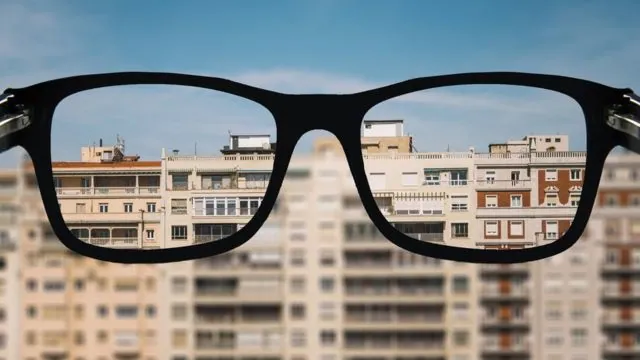
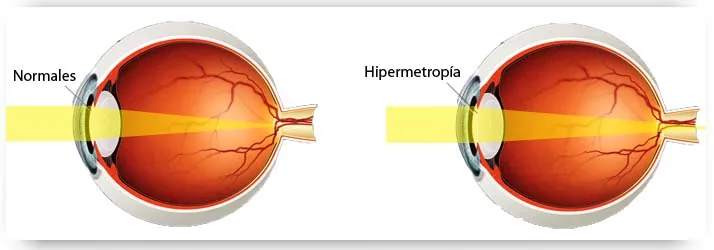
Hyperopia, or long-sightedness, is the common term for blurred vision of objects that are close, but sharp vision when we look at anything in the distance. So watching television may be a problem, but reading a motorway sign probably will not be. That is what hyperopia consists of: we see things sharply when they are far away. It is the opposite of myopia.
Late diagnosis is the norm
Unlike myopia, which gives itself away quickly because the child cannot see the board, hyperopia gets compensated for. The young eye has a great capacity for accommodation and can focus continuously to correct the defect by itself.
The price of that compensation is not blurred vision but indirect symptoms: frontal headache, burning eyes, tiredness when reading, an aversion to close work. In a schoolchild it can be mistaken for lack of interest or behavioural problems.
Hyperopia and squint in children
There is a direct relationship worth knowing about: excessive accommodative effort can trigger an inward turn of the eye, known as accommodative squint. In many of those cases, correcting the hyperopia with the right prescription also corrects the deviation.
It is one of the reasons why refraction in children is carried out under cycloplegia, and why a recently appeared squint calls for a rigorous refraction before anything else is considered.
Frequently asked questions
Why do I get headaches if I see well?
Because the young long-sighted eye compensates for the defect by accommodating permanently. That sustained effort by the ciliary muscle is what shows up as frontal headache, burning and tiredness at the end of the day, without vision ever becoming clearly blurred.
Is it the same as presbyopia?
No. Presbyopia appears from around the age of 40 because the lens loses flexibility, and it happens to everyone. Hyperopia is a refractive error you are born with. What is true is that a long-sighted person notices presbyopia earlier, because they were already using up their reserve of accommodation.
Why are drops put in a child's eyes for the examination?
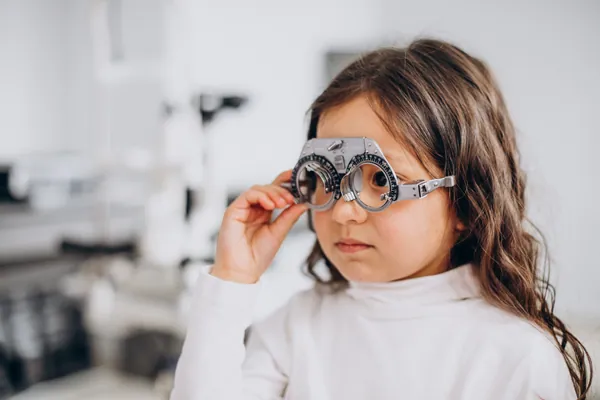
Because children have an enormous capacity to accommodate and can mask their own hyperopia during the examination. Cycloplegia temporarily relaxes that mechanism and allows the true prescription to be measured. Without it the defect is underestimated.
Do you need care for hyperopia?
Book online or call whichever practice is easiest for you.