


Eye Consultation for Children and Adults
Many diseases of the retina and the optic nerve have no treatment once they are diagnosed at an advanced stage. That single sentence explains why periodic check-ups exist.
What the consultation includes
We offer a general eye consultation for children and adults. Many dystrophic and degenerative diseases of the retina and the optic nerve have no treatment if they are diagnosed at an advanced stage; hence the importance of preventive eye care.
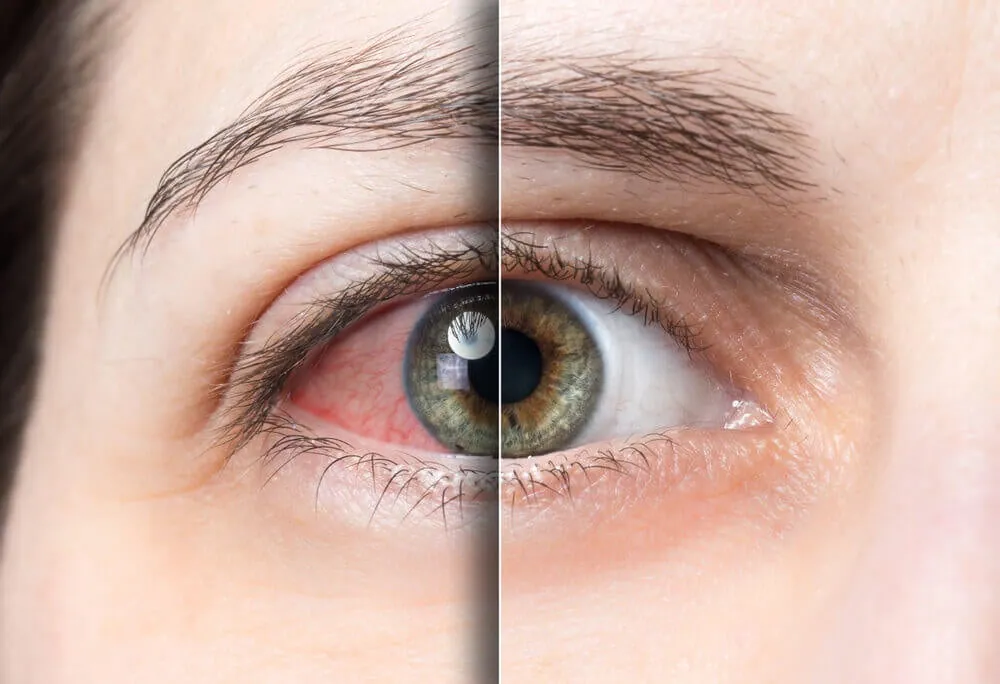
The conditions most frequently picked up in clinic are conjunctivitis, keratitis, lacrimal sac problems, squints, retinal disease, glaucoma and tumours.
Refraction is not a formality
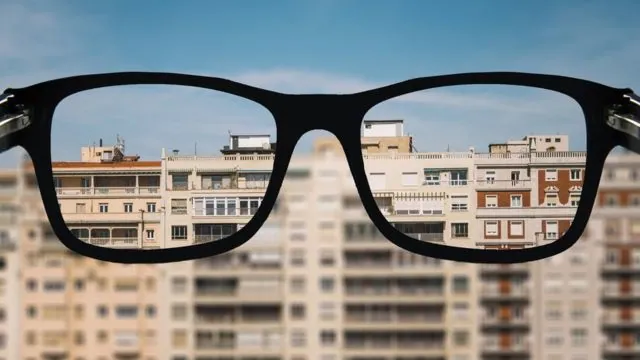
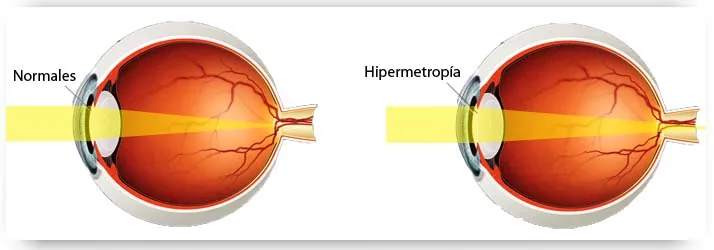
At the consultation we assess refraction, that is, the glasses prescription. If this is not done rigorously, anterior segment disease and even squints appear as a response to sustained visual overexertion.
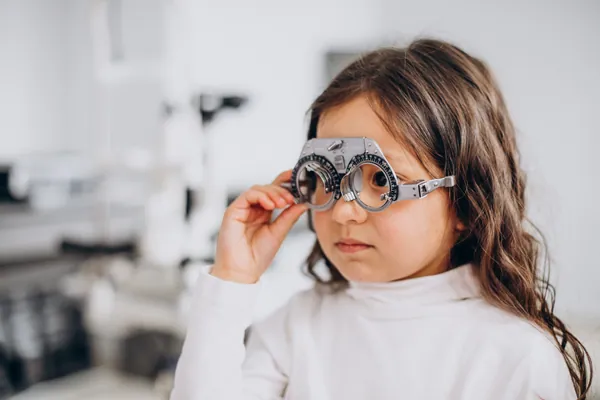
In children this weighs even more heavily: an uncorrected refractive error during the period of visual development can lead to amblyopia — so-called lazy eye — which past a certain age no longer fully recovers. There, the calendar matters as much as the diagnosis.
Signs in a child that should not be ignored
- Sitting too close to the screen, the book or the television.
- Screwing up their eyes or tilting their head to look.
- One eye turning, constantly or intermittently.
- Complaining of headache at the end of the school day.
- Recurrent red eye, watering or discharge.
- School performance dropping without a clear cause.
Frequently asked questions
At what age should a child first have their eyes tested?
Ideally before starting school, at around 3 or 4 years old, although any warning sign justifies bringing it forward. If there is a family history of squint, amblyopia or high refractive errors, it is worth checking earlier. A child does not complain of seeing badly because they have nothing to compare it with.
How often should a healthy adult be checked?
As a general guide, every one or two years for an adult without symptoms, and annually from the age of 40 or if there is a history of glaucoma, diabetes or high blood pressure. Your particular case may call for a different interval and you will be told at the consultation.
Is a refraction only for finding out what glasses to wear?
No. A refraction done without rigour lets through defects that the patient compensates for with effort, and that sustained visual overexertion can show up as headache, anterior segment disease and even squint. Refraction is also a diagnostic tool.
Do you need care for eye care for children and adults?
Book online or call whichever practice is easiest for you.