The heart and the eyes, affected alike
The same factors that damage the vessels of the heart damage those of the eye. An eye examination can tell you something about cardiovascular health, and vice versa.
By Dr. Miguel Ángel Olivardía Moreno · · Updated 3 de agosto de 2026

The eyes are often said to be the window to the soul. But did you know that they can also be the windows that let you see the health of your heart? An assessment by your ophthalmologist can find evidence of disease both in your eyes and in your heart.
The same vessels, the same damage
The problems that damage the blood vessels of the eye can also block those of the heart. High cholesterol, high blood pressure and diabetes — the major risk factors for heart disease — can be the cause of:
- Age-related macular degeneration (AMD).
- Blockage of the vessels of the retina.
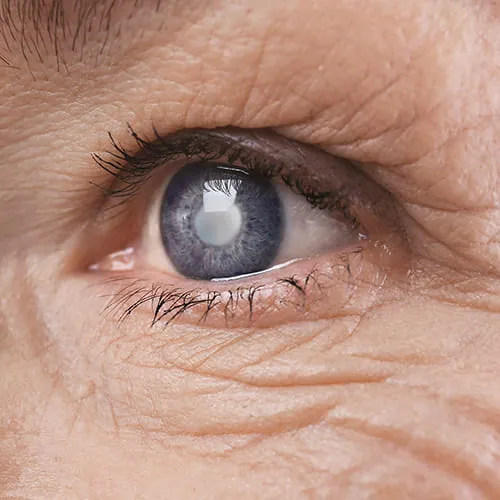
- Cataracts.
- Changes in intraocular pressure that can lead to glaucoma.
Researchers show a possible relationship between having heart disease and a higher risk of vision loss from AMD. Other studies have shown that people with arterial or venous occlusion of the retina may also be at higher risk of a stroke.
There is an anatomical reason behind all of this: the fundus of the eye is the only place in the body where a doctor can observe arteries and veins directly, with no intervention at all. What is seen there reflects what is happening in the rest of the vascular system.
Five recommendations
Follow these recommendations to look after the health of your heart and your eyes.
Stop smoking
Smokers are at high risk of cardiovascular disease, stroke and age-related macular degeneration.
Exercise
Excess weight can increase the risk of age-related macular degeneration and also contribute to the risk of heart disease. Exercise can reduce that risk.
Eat well
The same foods that are excellent for the heart can equally help preserve your sight. Green vegetables — spinach, kale, lettuce — and cold-water fish such as salmon, tuna and sardines are good for eye health and even better for the heart.
Know your family's health history
Knowing that your mother has heart disease or that your grandfather was diabetic can help you make the right decisions to look after your eyes and your heart.
See your ophthalmologist
Make sure you have periodic assessments with your ophthalmologist and your primary care doctor to monitor your health.
An observation from the clinic
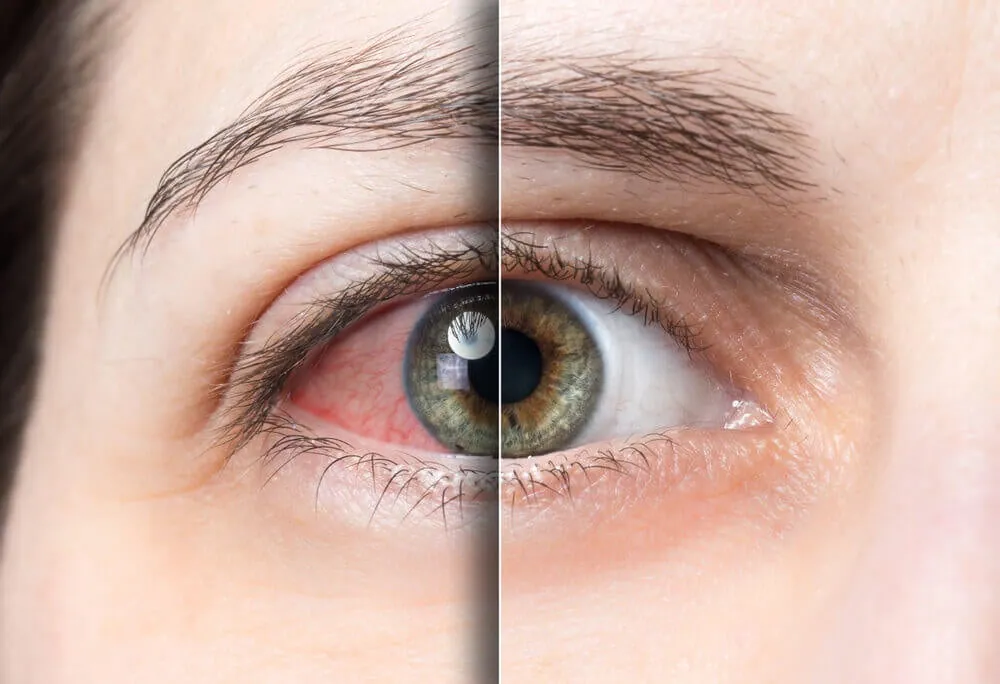
In Panama, diabetes and high blood pressure are among the most frequent reasons why a patient ends up losing sight avoidably. And what is characteristic of both is that the eye damage advances silently: diabetic retinopathy does not hurt and does not affect central vision until advanced stages.
That is why periodic examination of the fundus in a diabetic or hypertensive patient is not a generic recommendation. It is the only way of intervening while there is still time.