





Ocular Surface Disease
The ocular surface is the eye's first lens. When it is disturbed, vision fluctuates, the eye burns and feels uncomfortable, even if the prescription is perfect.
Common symptoms
Common symptoms of ocular surface disease may include:
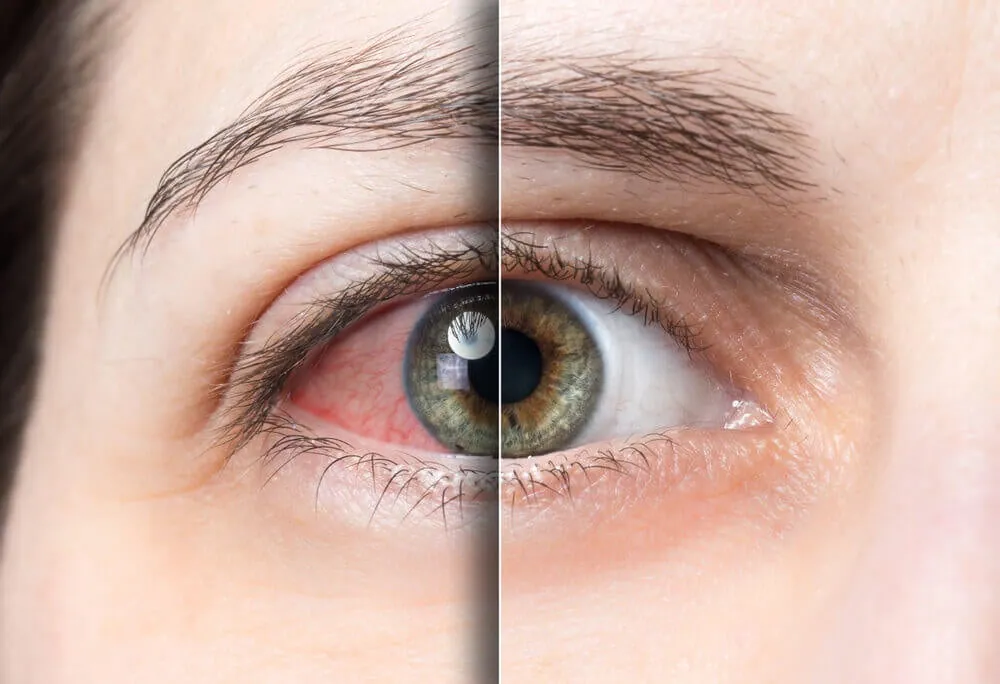
- A red, irritated eyelid margin.
- Itchy eyes.
- Watery eyes.
- The sensation of a foreign body.
- The feeling of sand or grit in the eye.
- Burning or stinging.
- Fluctuating vision.
- Eye pain.
Why it is so common in Panama
The tropical climate and, above all, prolonged exposure to air conditioning in offices and vehicles speed up evaporation of the tear film. Add to that sustained screen use, which markedly reduces how often we blink. It is a combination seen every day in clinic.
Treatment
Depending on how severe the ocular surface disease is, we may prescribe a course of eyelid hygiene — based on regular cleaning with warm water — and artificial tears for the chronic inflammation.
In more severe cases, prescription medication will be needed to help keep vision clear and comfortable. It is important to attend an eye consultation for a proper assessment and treatment: the symptoms in this family of diseases look very much alike, but the correct treatment depends on what the cause is.
Frequently asked questions
If my eyes water, how can I have dry eye?
It is the most frequent paradox in this clinic. When the tear film is of poor quality, the surface becomes irritated and the eye responds by producing a reflex tear — watery and abundant — that does not lubricate well. The result is an eye that waters and is dry at the same time.
Are over-the-counter artificial tears enough?
In mild cases they may be, preferably preservative-free if used several times a day. But if the problem is blepharitis or dysfunction of the eyelid glands, lubricating alone relieves the symptom without touching the cause. There, targeted eyelid hygiene is needed and, in more severe cases, prescription medication.
When does an ocular surface lesion stop being trivial?
When it grows, when it looks gelatinous or has visible blood vessels, when it invades the cornea, or when it appears in an immunosuppressed patient. We assess every ocular surface lesion that could raise suspicion of malignancy, and when in doubt it is biopsied.
Do you need care for ocular surface disease?
Book online or call whichever practice is easiest for you.