



Blepharitis: what it is and how it shows up
One of the most frequent causes of a red eye, burning and fluctuating vision, and also one of the most overlooked, because it requires examining the eyelid margin in detail.
By Dr. Miguel Ángel Olivardía Moreno · · Updated 3 de agosto de 2026
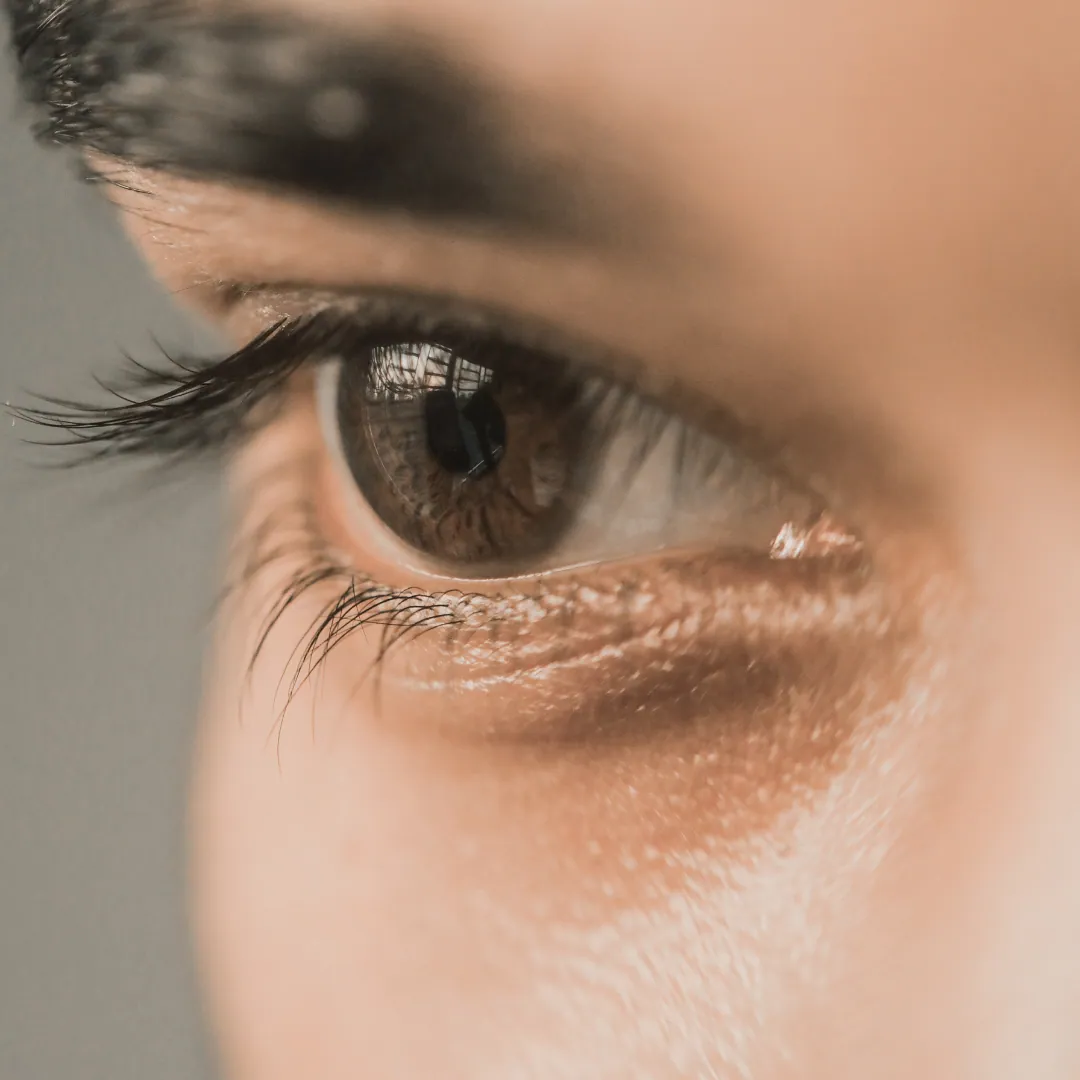
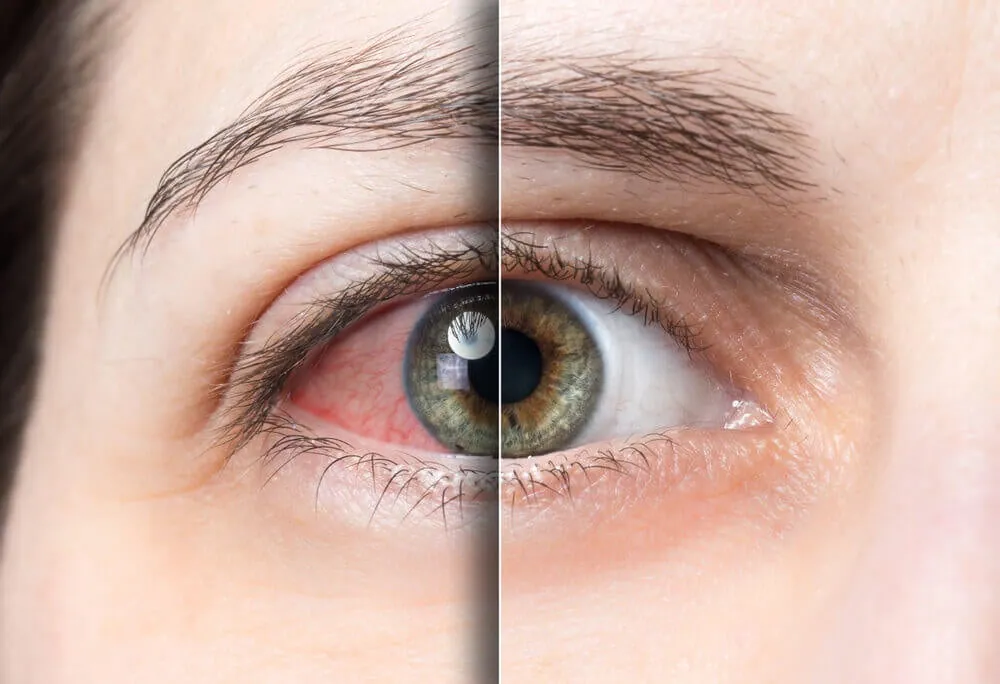
Blepharitis is a very common condition that is not diagnosed often enough, because ophthalmologists frequently omit a meticulous examination of the eyelid margins, an important part of the ocular surface.
The symptoms are non-specific and varied
- A red eye and a burning sensation after prolonged computer or screen use, or after hours of reading.
- A foreign-body sensation on waking, or itching and thickening of the eyelid margins.
- Excessive watering on exposure to cold weather, wind, heating, air conditioning or pollution.
- Recurrent styes.
- Fluctuating vision or glare.
- Reduced visual acuity, photophobia, blepharospasm and pain, in extreme cases.
That lack of specificity is precisely the problem: these are symptoms that resemble many other things, and patients usually arrive in clinic after having tried several drops on their own.
Associated conditions
Several conditions are associated with blepharitis: rosacea, atopy, psoriasis, inflammatory bowel disease, seborrhoeic dermatitis, the menopause, hormonal problems, chronic contact lens wear, or the use of topical glaucoma medication containing prostaglandins.
Prolonged computer or screen use is also a frequent cause of blepharitis, because of reduced blinking.
Medications that may play a part
Several oral medications have been associated with these conditions: contraceptive pills, antidepressants, antipsychotics, antihistamines, chemotherapy, antiandrogens such as finasteride, and skin medications such as isotretinoin, used for acne.
Previous eye surgery — refractive surgery, cataract surgery or multiple eye operations — can also be a risk factor, because of reduced corneal sensitivity, which causes a fall in the blink rate.
Why it is worth treating
Beyond the discomfort, sustained blepharitis disturbs the tear film and with it the quality of vision. It is a frequent cause of that very characteristic complaint: «I see well, but my vision clouds over and I have to blink to clear it».
At the consultation the aim is twofold: to identify what is feeding the inflammation — untreated seborrhoeic dermatitis, a medication, the working environment — and to establish an eyelid hygiene routine that the patient can keep up over time.